
OPINION: Getting an appointment is not the same as getting access
Healthcare access should be measured by whether whānau get the wrap-around
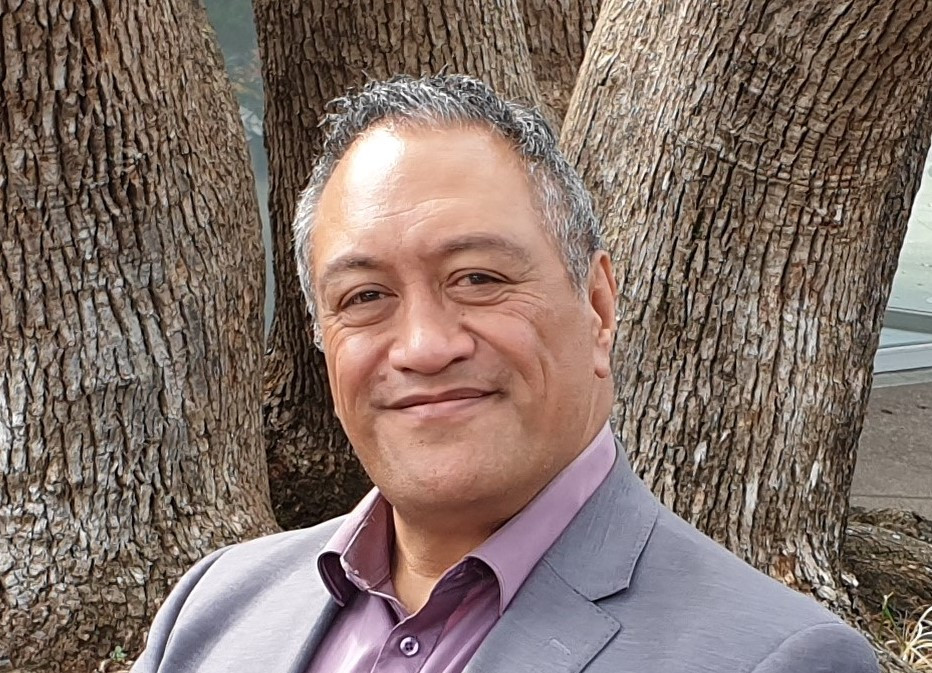
support they need — not simply whether they get through the clinic door, writes CEO of Te Ora Puāwai and Waiora Wellness Centre, Mark Simiona
From 1 July 2026, New Zealand introduced a new primary care target: more than 80% of people should be able to access a general practice appointment within one week.
That is a positive step. But I think we need to be careful about what we call access. Because getting through the clinic door is only one part of the journey.
In 2024/25, one in four New Zealand adults reported having a medical problem but not seeing a GP because the wait was too long. For Pacific adults, it was almost one in three. Cost, time off work and transport also remain barriers.
Here in South Auckland, that matters.
A person might finally get an appointment.
But can they afford it?
Can they take time away from work?
Can they get there?
Can they afford the prescription?
Do they understand what happens next?
Do they need help with housing, disability, transport, income or another issue affecting their health?
That is why I believe access has to mean more than an appointment slot.
Imagine someone managing diabetes. They finally see their GP. They need blood tests, medication, and follow-up.
At the same time, they might be dealing with an overcrowded house, financial pressure, transport problems or caring responsibilities.
Technically, they have accessed healthcare.
But have we really given them what they need to become healthier?
The health system often measures individual parts of the journey.
Whānau experience the whole journey.
That is the opportunity.
Keep improving appointment times.
But also ask what happens before, during and after the appointment.
Can services connect people rather than simply refer them somewhere else?
Can health and social support work more closely together?
Can we measure whether someone's health actually improved — not just whether they were seen?
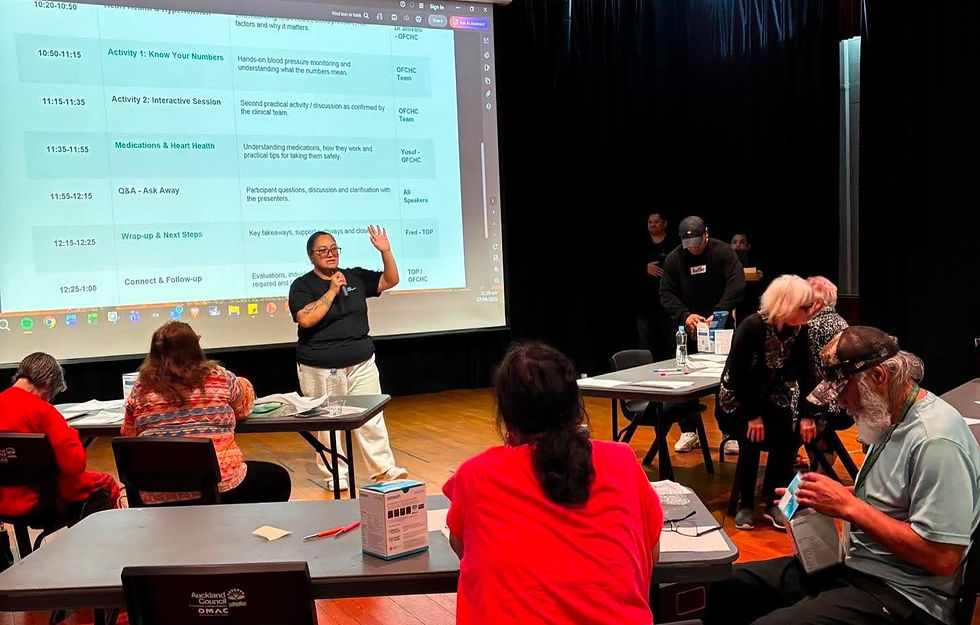
At Te Ora Puāwai and Waiora Wellness Centre, this is something we are continuing to work on navigating the system by connecting clinical care with social services, advocacy and wider whānau support.
We certainly don't have all the answers.
But one thing is becoming increasingly clear to me:
If our measure of access ends when someone gets through the door, we may be measuring the wrong end of the journey.


Comments